Understanding Meal Structure
Educational content only. No medical services. No promises of outcomes.
An informational resource about organizing daily meals for balanced nutrition awareness
Introduction to Meal Structuring
Meal structuring refers to the practice of organizing food intake throughout the day in a systematic manner. This educational resource explores how individuals approach meal planning and composition.
Understanding meal structure involves examining patterns of food consumption, timing of meals, and the distribution of different food groups across daily eating occasions.
This website provides informational content about these concepts without offering personalized advice or guaranteed outcomes.
Principles of Balanced Meal Organization
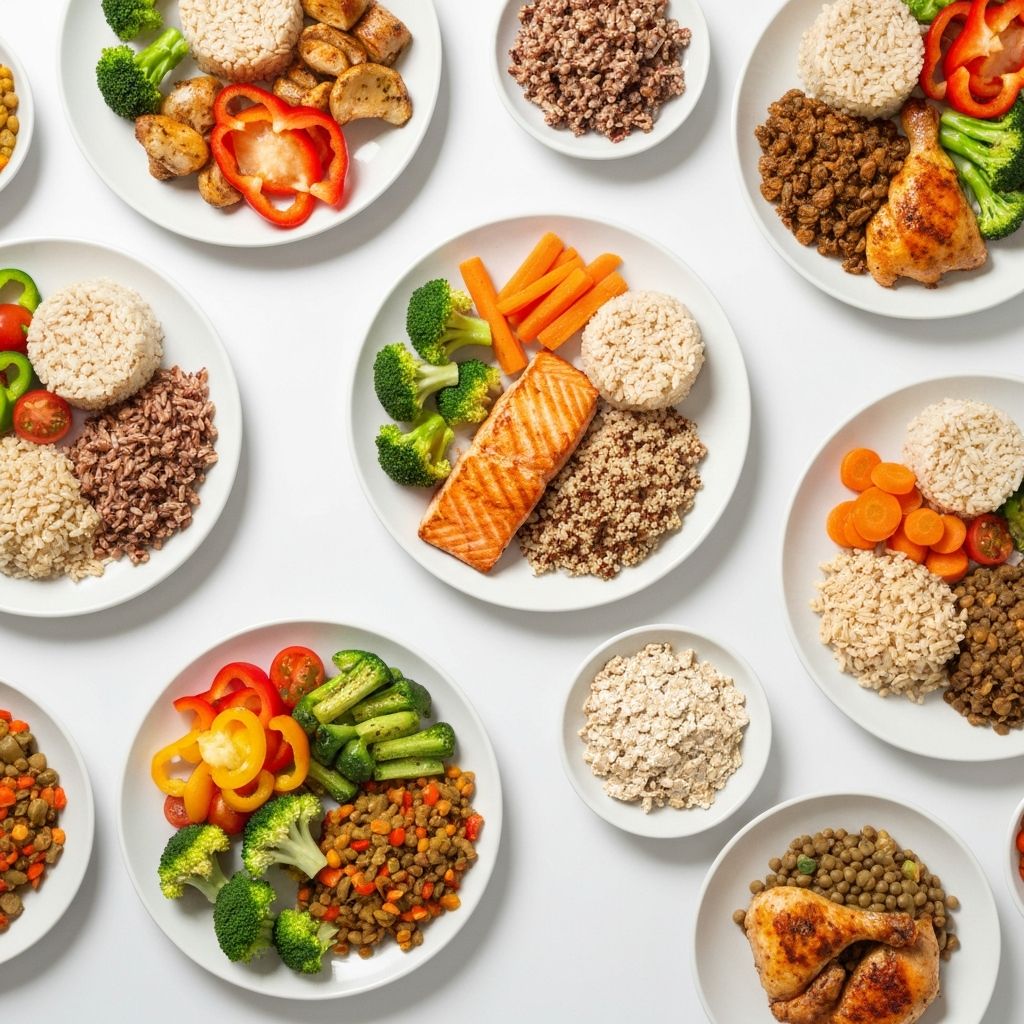
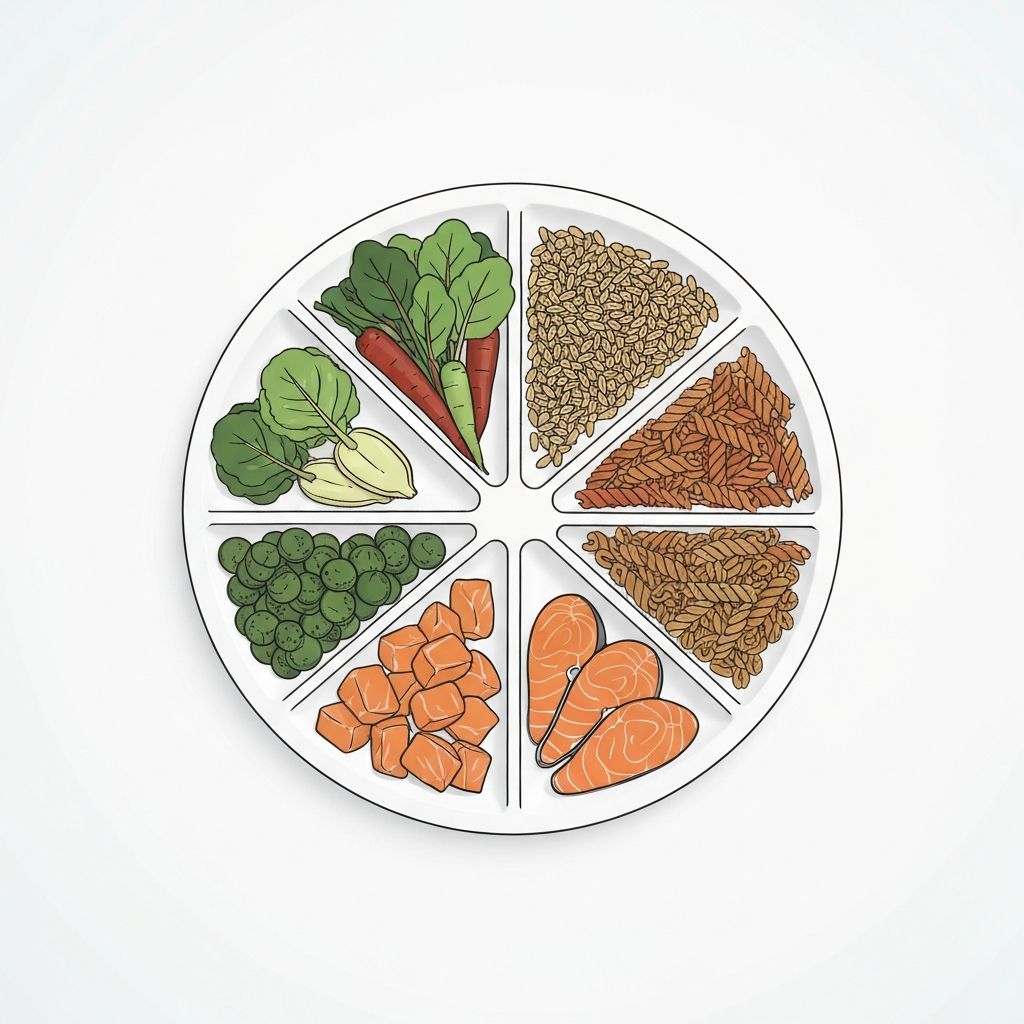
Balanced meal organization typically involves consideration of various food groups including vegetables, proteins, whole grains, and healthy fats.
Different dietary approaches exist globally, and meal structuring practices vary significantly across cultures and individual preferences.
This content describes general concepts observed in nutritional education literature and does not constitute medical or dietary advice.
Examples of Daily Structured Meals
Morning Meals
Morning meals often include combinations of whole grains, proteins, and fruits. Examples might include oatmeal with berries, whole grain toast with eggs, or yogurt with nuts and seeds.
Midday Meals
Midday meals frequently incorporate vegetables, lean proteins, and complex carbohydrates. Common patterns include grain bowls, salads with protein sources, or balanced plate compositions.
Evening Meals
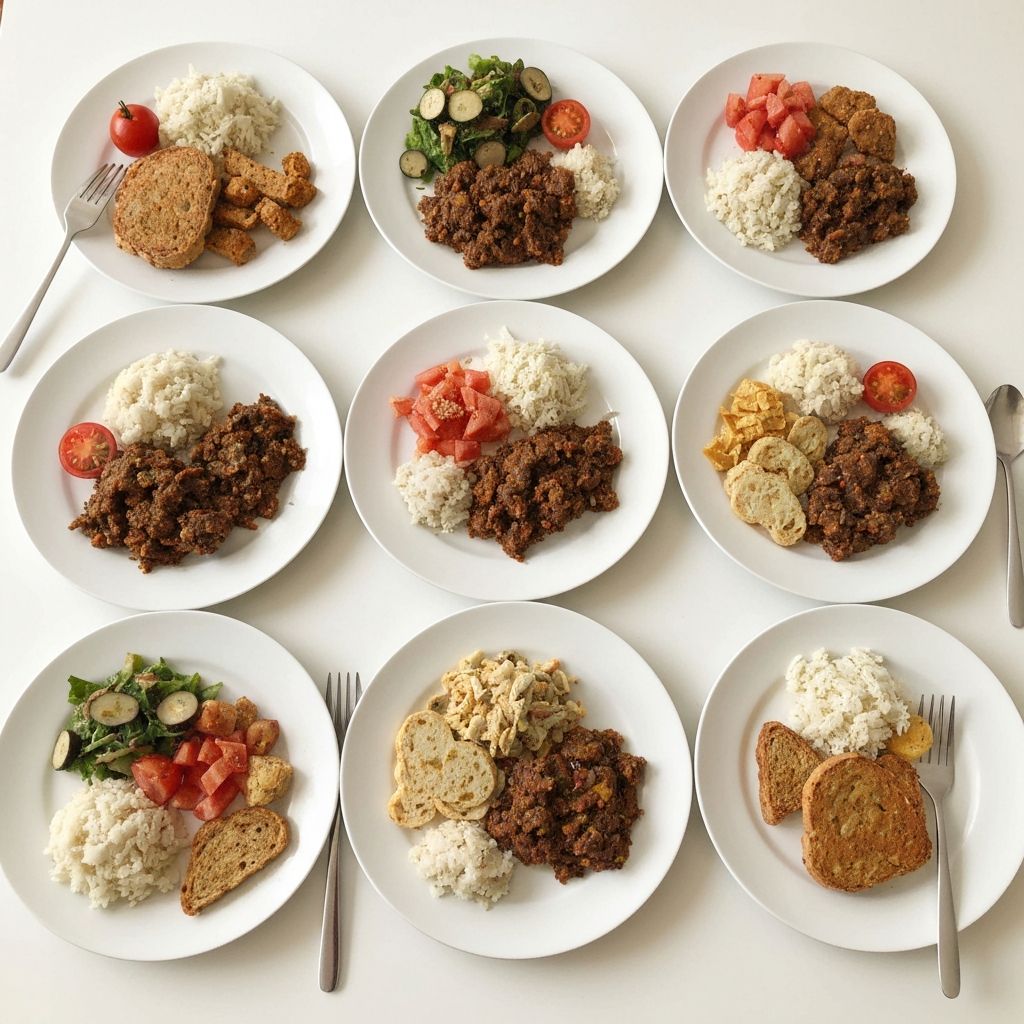
Evening meals typically feature proteins, vegetables, and starches in various combinations depending on cultural and personal preferences.
Visual Guides for Portion Planning
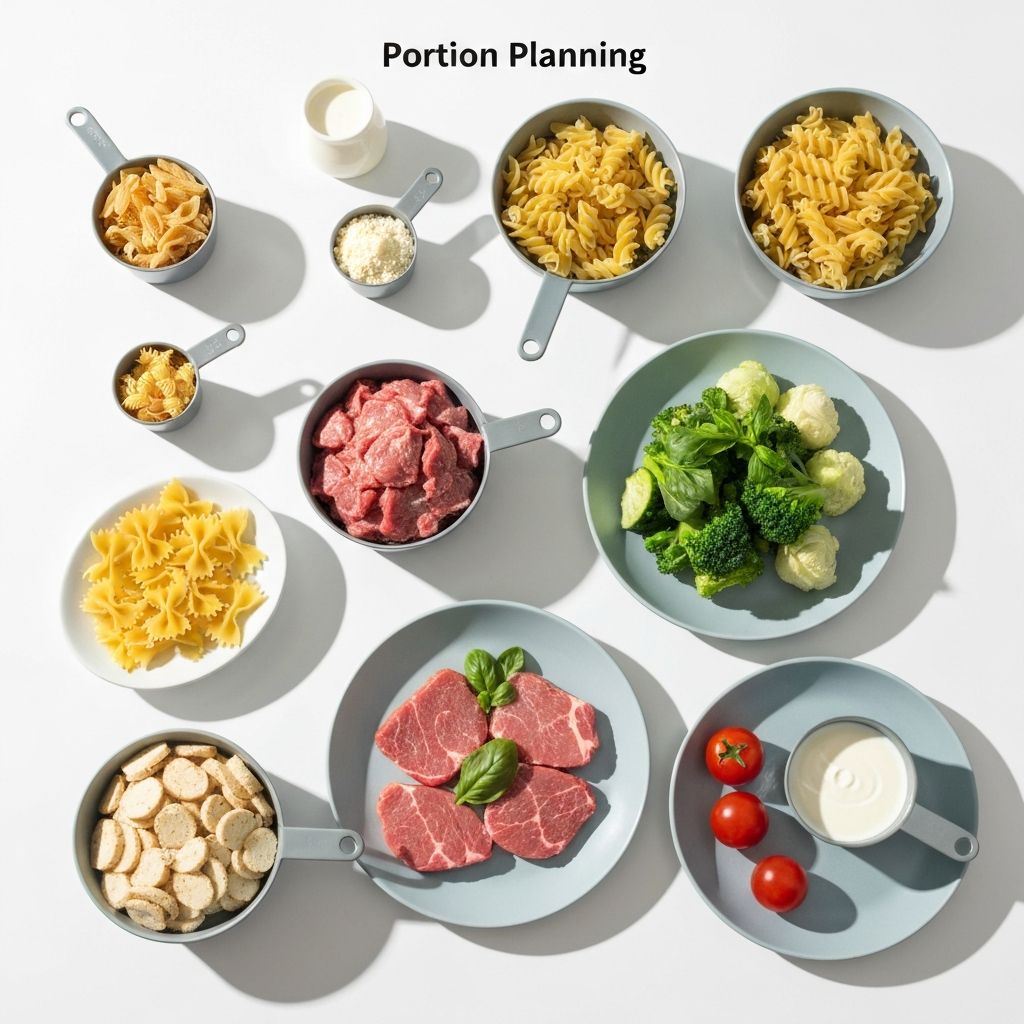
Portion planning involves understanding relative amounts of different food types. Visual methods such as plate division or hand measurements are commonly referenced in nutritional education.
These are educational concepts and not prescriptive recommendations. Individual needs vary significantly based on numerous factors.
This resource presents information about common approaches without suggesting specific portion sizes for any individual.
Educational Articles
Structured Breakfast Meals
Exploring common patterns in morning meal composition and organization.
Frequently Asked Questions
What is meal structuring?
Meal structuring refers to the practice of organizing meals in a systematic way throughout the day. It involves planning the timing, composition, and balance of food intake. This is an educational concept discussed in nutritional literacy contexts.
Is this website providing dietary advice?
No. This website is an educational resource that explains concepts related to meal organization. It does not provide personalized dietary advice, medical recommendations, or treatment plans. All content is informational in nature.
Who should use this information?
This content is designed for educational purposes for anyone interested in learning about meal structuring concepts. It should not replace professional guidance for individual dietary decisions.
Are there guaranteed results from meal structuring?
No. This website does not make any promises or guarantees about outcomes. Individual experiences vary significantly. This is purely educational content about general concepts.
Limitations and Context
Educational Purpose: All materials on this website are provided for informational and educational purposes only.
No Individual Recommendations: This website does not provide personalized dietary advice, meal plans, or health recommendations.
Diversity of Approaches: Approaches to meal planning and nutrition vary widely across cultures, lifestyles, and individual circumstances.
Not a Substitute: This content does not replace consultation with qualified healthcare or nutrition professionals for individual decisions.
Explore Further
Continue learning about meal structuring principles through our educational articles and resources.
Read in detail