Structured Lunch Meals
Published: February 2026
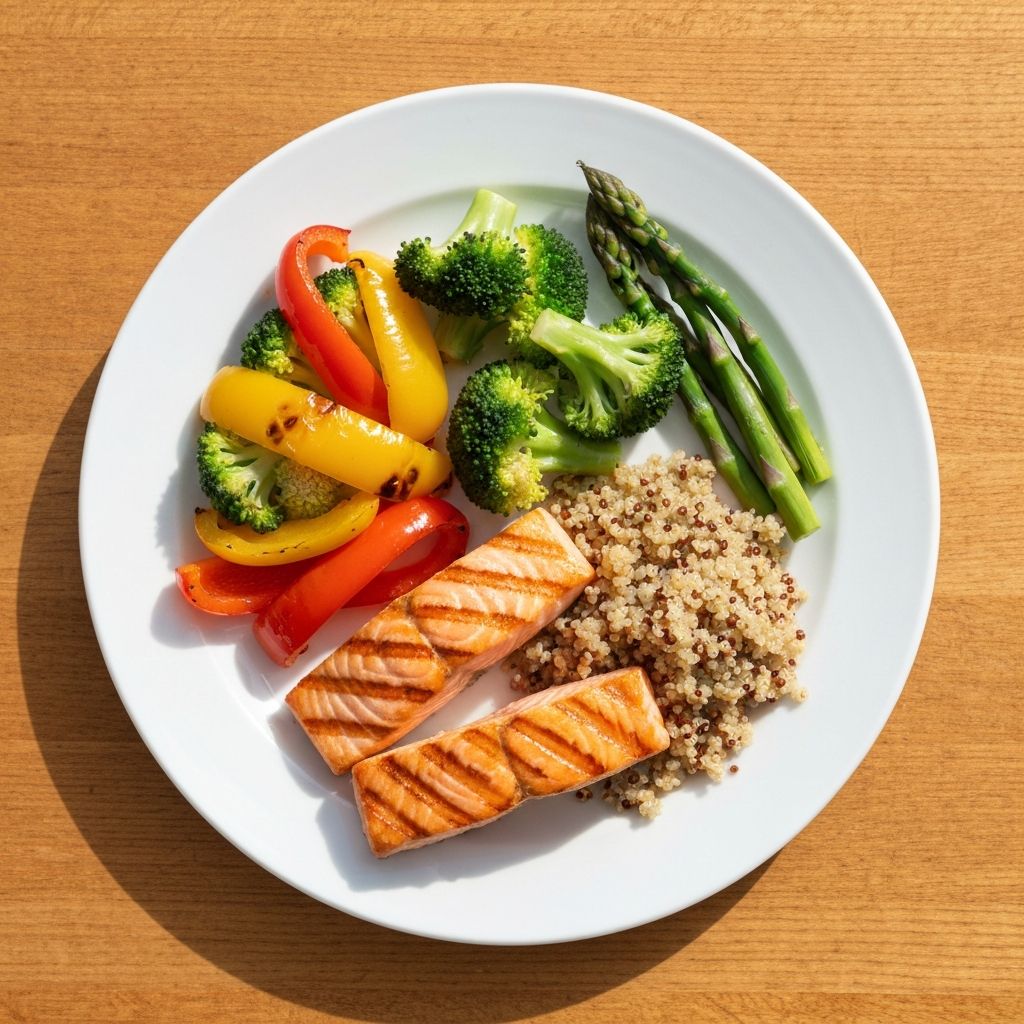
Understanding Midday Meal Patterns
Lunch typically represents the midday eating occasion in many dietary patterns globally. The timing and composition of lunch vary significantly across cultures, work environments, and individual preferences.
This article examines common patterns in lunch meal structuring from an educational perspective, without prescribing specific approaches.
The Balanced Plate Concept
One widely discussed framework in nutritional education is the concept of a balanced plate. This educational model suggests dividing a plate into sections representing different food categories.
Common descriptions of balanced plate approaches include allocating approximately half the plate to vegetables, one quarter to protein sources, and one quarter to whole grains or complex carbohydrates.
This is an educational concept used to illustrate general principles of meal composition, not a prescriptive rule for individual meals.
Common Components of Midday Meals
Vegetables and Greens
Lunch meals frequently incorporate various vegetables including leafy greens such as spinach, kale, or lettuce, cruciferous vegetables like broccoli and cauliflower, colorful peppers and tomatoes, root vegetables, and legumes.
Vegetables contribute various nutrients and are emphasized in many dietary education frameworks.
Protein Sources
Protein-containing foods commonly found in lunch patterns include grilled or baked poultry, fish and seafood, legumes such as beans, lentils, and chickpeas, tofu and tempeh, eggs, and cheese or dairy products.
The inclusion of protein sources in midday meals is discussed in nutritional literature regarding satiety and meal composition.
Complex Carbohydrates
Carbohydrate sources in lunch contexts include brown rice, quinoa, whole grain bread or wraps, sweet potatoes, whole wheat pasta, and farro or barley.
Complex carbohydrates are distinguished from simple sugars in nutritional education materials.
Healthy Fats
Sources of dietary fats in lunch meals include olive oil in dressings, avocado, nuts and seeds, olives, and tahini or other seed-based spreads.
Examples of Structured Lunch Compositions
The following examples illustrate common lunch patterns. These are educational examples only and do not constitute personal recommendations:
Grain Bowl Pattern
Base of quinoa or brown rice, topped with roasted vegetables, grilled chicken or chickpeas, leafy greens, and a tahini-based dressing. This pattern demonstrates the balanced plate concept with distinct food categories visible.
Salad-Based Pattern
Mixed greens foundation with cherry tomatoes, cucumber, bell peppers, grilled salmon or tofu, avocado slices, and pumpkin seeds, accompanied by olive oil and lemon dressing. This emphasizes vegetables while including protein and healthy fats.
Traditional Plate Pattern
Grilled protein such as fish or poultry, steamed or roasted vegetables, and a portion of whole grain or starchy vegetable. This follows a more conventional plate division approach.
Wrap or Sandwich Pattern
Whole grain wrap containing hummus, grilled vegetables, leafy greens, and protein source, served with side salad or vegetable sticks. This demonstrates meal structuring within a portable format.
Portion Awareness
Portion planning is a concept discussed in nutritional education regarding meal composition. Visual methods such as using hand measurements or plate divisions are sometimes referenced as educational tools.
Individual portion needs vary significantly based on numerous factors including body size, activity level, metabolic rate, and personal circumstances.
This content describes educational concepts only and does not provide specific portion recommendations for individuals.
Meal Timing Considerations
The timing of lunch consumption varies based on work schedules, cultural norms, and individual preferences. Some individuals eat lunch around midday, while others may have earlier or later midday meals.
Different timing patterns are observed across populations, and no single approach is universally optimal.
Work Environment Adaptations
Lunch patterns often adapt to work environments. Some individuals prepare meals at home for consumption at work, while others purchase meals during work hours or eat in workplace cafeterias.
The structure and composition of lunch may be influenced by available time, facilities, and individual planning preferences.
Educational Context
Information Only: This article provides educational information about lunch meal patterns and does not offer personalized dietary recommendations.
Individual Variation: Nutritional needs, portion requirements, and optimal meal structures vary significantly among individuals based on numerous factors.
Professional Guidance: For personalized meal planning or specific dietary needs, consult with qualified nutrition or healthcare professionals.
No Guarantees: This content does not promise or guarantee any specific outcomes from particular meal patterns or food choices.
Explore Further
Continue learning about meal structuring throughout the day with our other educational articles.